
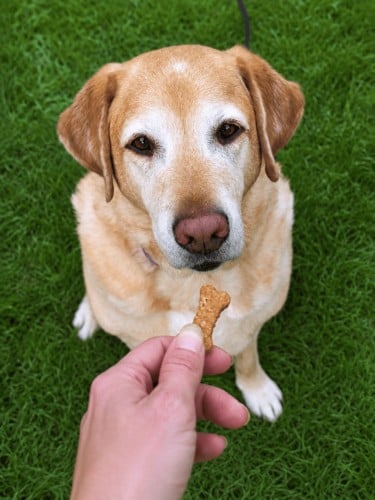
Does your dog pace while you’re getting ready to leave? Shake during thunderstorms? Pant during car rides? You’re not alone. Dog anxiety is one of the most common behavioural issues facing pets today (affecting over 70%!). Many pet owners are turning to CBD as a natural, gentle way to help their dogs feel calm and comfortable.
Signs of Anxiety
Recognizing the early signs of anxiety can help you provide your dog with the support they need before stress becomes overwhelming.
1. Excessive Panting or Pacing
Your dog pants or paces back and forth when there’s no obvious reason, such as heat or exercise. This is often one of the earliest signs of anxiety.
2. Destructive Behavior
Dogs may chew, dig, or scratch at doors, windows, or furniture when left alone or during stressful situations.
3. Whining, Barking, or Howling
Excessive vocalization, especially when you’re away or during triggers like storms or fireworks, can be a sign of anxiety.
4. Hiding or Seeking Isolation
An anxious dog may hide under furniture, in closets, behind you, or avoid interaction with people and other pets.
5. Trembling or Shaking
Shaking without a medical cause, such as cold weather or illness, is a common sign of fear or anxiety.
6. Changes in Appetite or Bathroom Habits
Anxiety can affect your dog’s eating, digestion, and bathroom routine.
- Stops eating or eats less
- Has accidents in the house
- Strains to poop or pee
- Experiences vomiting or diarrhea
7. Aggression or Restlessness
Anxiety can make dogs irritable or reactive, causing them to snap at people or other pets. Restlessness may appear as constant pacing, frequent position changes, inability to settle, or repeatedly jumping up without an obvious reason.
Common Triggers for Dog Anxiety
Understanding what triggers your dog’s anxiety helps you respond better:
Separation Anxiety
You leave the house.
Storms & Fireworks
Thunder, lightning, and loud pops.
Car Rides
Traveling in vehicles.
Vet & Groomer Visits
Necessary but often stressful experiences.
New Environments
Moving, guests, or unfamiliar places.
Loud Noises
Construction, vacuum cleaners, sirens, and similar sounds.
How CBD Works for Dogs
CBD (cannabidiol) comes from industrial hemp and interacts with your dog’s endocannabinoid system (ECS), a network of receptors that helps regulate mood, stress, pain, and sleep.
What CBD Does
- ✔ Promotes a sense of calm
- ✔ Reduces stress responses
- ✔ Supports relaxation without sedation
- ✔ Is NOT psychoactive (won’t get your dog high!)
How to Start
① Start Low & Go Slow
Begin with the lower end of the recommended dose range.
② Be Consistent
Administer CBD daily in the beginning. Consistency is key. Once it has built up in your dog’s system and is taking effect, you can administer it on an as-needed basis. Avoid long gaps between doses, or you may need to start the process again. If your pet experiences anxiety daily, continued everyday use is considered safe.
③ Watch for Effects
Results typically appear within 30–60 minutes, although some dogs may respond in as little as 15 minutes or take up to 2 hours.
④ Adjust Gradually
If needed, slowly increase the dosage until you find the amount that works best for your dog.